Action needed to help fish farmers adapt to climate change, says WorldFish
Urgent call made at start of COP31 in Turkey
WorldFish, which supports sustainable fishing and aquaculture in 30 countries across Asia, Africa, and the Pacific, is calling for greater investment in climate adaptation for millions of people whose food and livelihoods depend on the sea.
The demand comes as governments gather in Antalya, Turkey, for climate conference COP31 amid warnings of an intensifying El Niño climate event in the global south.
WorldFish said research shows that fisheries received just 1% of tracked climate adaptation finance for food systems in 2019 and 2020, while a review of national climate commitments found that 84 countries made no mention of aquatic foods.
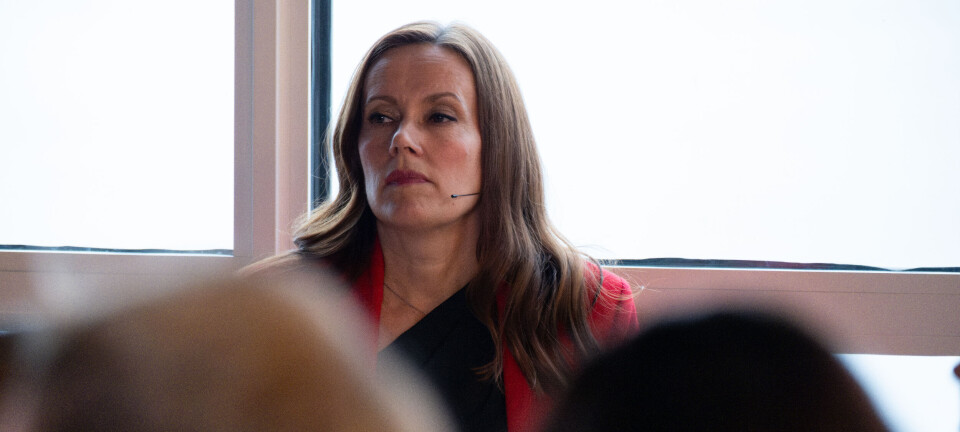
Dr Michelle Tigchelaar, lead scientist at WorldFish, said growing climate risks highlight the need to turn commitments into practical support.
“We can’t talk about building climate-resilient food systems while leaving fishers and fish farmers out of the picture. These communities are already dealing with rising temperatures, unpredictable weather and changing fish stocks, yet they receive a fraction of the attention and investment they need,” said Tigchelaar.

A weather forecast alone won’t protect a fish farmer’s livelihood. Farmers need practical advice and the resources to act on it.
Invest in protection
At COP31, which runs from today until November 16, WorldFish will call for governments and funders to:
Include aquatic foods in national climate plans and finance, ensuring funding reaches the communities most affected.
Invest in locally led adaptation, empowering communities with climate information, voice, and practical solutions.
Strengthen South-South collaboration to share knowledge, experience and approaches that can benefit more communities.
In Zambia, WorldFish and government partners have developed Blue Resilience, which translates weather forecasts into practical SMS advisories to help fish farmers prepare for rising temperatures, water shortages, and heavy rainfall.
In Timor-Leste, WorldFish and partners are supporting seaweed farmers to adapt to changing conditions through training, replacement seedlings, and trials of movable floating rafts.
“A weather forecast alone won’t protect a fish farmer’s livelihood. Farmers need practical advice and the resources to act on it. That’s where climate investment can make a real difference,” said Tigchelaar.
WorldFish is funded by a diverse network of international financial institutions, governments, foundations, and research agencies including the USAID, the European Commission, the United Nations Food and Agriculture Organisation (FAO), and UK International Development.