
Patagonia Inc won't stitch us up, says Magallanes salmon leader
Odebret responds to latest attack on sector by US clothing brand

Published
Modified
The president of the Magallanes Salmon Farmers Association in Chile has hit back at an anti-salmon farming campaign by outdoor clothing firm Patagonia by pointing out that unlike the California-headquartered company, its members’ products are actually produced in the region.
Patagonia, Inc. was founded by rock climber, environmentalist, and salmon angler Yvon Chouinard, 88, and most of its shares are owned by a trust funding efforts to prevent climate change, although Chouinard’s family still own the voting shares held in a separate trust.
“Say no to salmon farming in protected areas,” is the slogan with which Patagonia, Inc. is promoting its campaign on its website against the presence of salmon farms in Chile.
The initiative, which also reached customers via email, focuses on the country’s position as the world’s second largest salmon producer and compiles figures on the alleged environmental impact of the activity, the use of antibiotics, and workplace accidents at fish farms.

“The perfect orange fillet that arrives at the table tells no story about what's behind it: overcrowded fish, antibiotics, oxygen-deprived seabeds, and workers risking their lives,” the company stated, according to Ex-Ante.
Protected areas
Patagonia, Inc. is focusing its offensive on the presence of the salmon farming industry in protected areas in the south of the country, although many of these areas were designated long after salmon farms had been established there.
“There are 408 salmon farming concessions within national parks and reserves in Chilean Patagonia, more than 60 of them in the Kawésqar National Reserve, created in 2018, which still does not have a management plan,” the company explains.
In Chile, Patagonia has since 2024 supported the Save Patagonia campaign which seeks to remove salmon farms within national parks and national reserves, without relocation.
Luxury-priced keta salmon
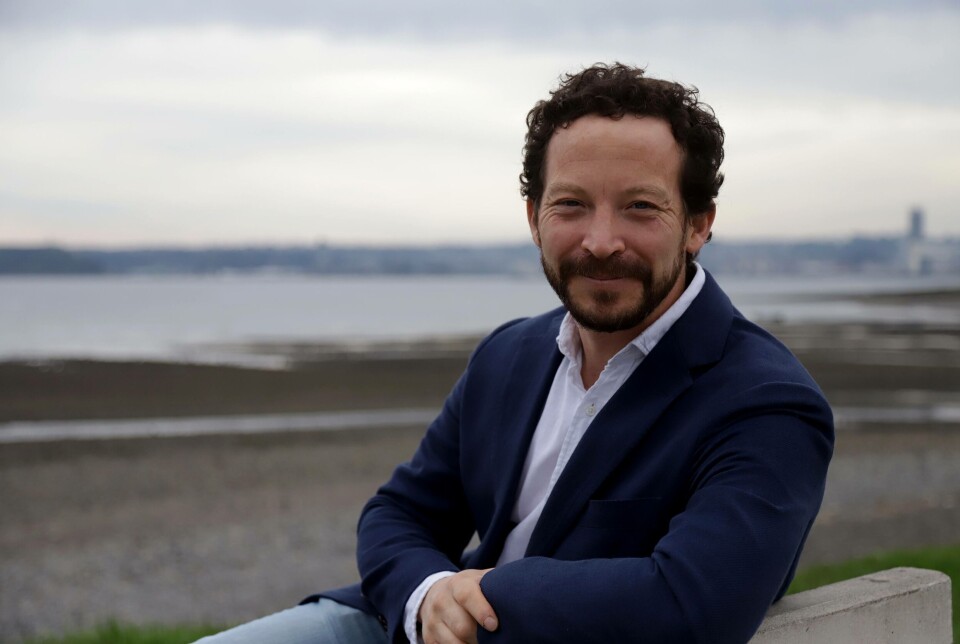
In response, Carlos Odebret, president of the Magallanes Salmon Farmers’ Association, told Fish Farming Expert’s Chilean sister site, Salmonexpert.cl, that “Mr Chouinard wants a Patagonia without salmon farms at sea, but his company sells, under the Patagonia Provisions brand, wild salmon caught in Alaska at luxury prices in the United States”.
An artisan from Punta Arenas weaves her woollen garments in Patagonia, and yet Patagonia Inc. opposed her registering her brand with the name of our region. Patagonia Inc., on the other hand, does not manufacture its clothing in Patagonia, and those who run it do not live here
“We farm salmon in Patagonia. An artisan from Punta Arenas weaves her woollen garments in Patagonia, and yet Patagonia Inc. opposed her registering her brand with the name of our region. Patagonia Inc., on the other hand, does not manufacture its clothing in Patagonia, and those who run it do not live here,” said Odebret.
He added that he would like to see Chouinard clearly state "that removing farmed salmon from the market also benefits his business, and recognise that the name Patagonia, from which he has benefited for years, does not belong to a California company, but to those of us who live and work here”.
Made in Asia
Unlike its fish, few of Patagonia’s cothing products are sourced from the United States, but in independent factories in low-wage economies.
A 2023 report by Human Trafficking Search stated that Patagonia’s clothes were produced in 61 factories: two in the US, one in Portugal and the remainder in 12 different low-wage countries.
It quoted analysis from Follow the Money (FTM) based on data from Open Supply Hub, which aims to make supply chains in the clothing industry more transparent. According to FTM, at least two-thirds of the factories that manufacture Patagonia clothing also work for clothing brands that, according to the consumer website Good on You, have little or no sustainability policies in place.
Patagonia has its own standards, and checks whether a factory complies with these standards through independent auditor visits at least once a year, the brand told Follow the Money. Checks are also carried out by the Fair Labor Association (FLA) and FairTrade: two NGOs that provide Patagonia’s manufacturing process and clothing with a sustainability label.
A part of those audits is public. Between 2016 and 2023, the FLA published assessments of seven Patagonia factories, including three in Vietnam, three in Sri Lanka and one in China. During those inspections, auditors found dozens of violations, varying greatly in severity. They included working without protective equipment, blocked emergency exits, or a lack of policies on harassment or discrimination, reported Human Trafficking Search.


